How Much Does a Bathroom Remodel Cost in 2026? Pricing, Budgeting, and ROI Guide
In 2026, bathroom renovation costs range from $2,000 for a powder room refresh to over $100,000 for a luxury primary suite, with a national average of approximately $12,000. This guide breaks down costs by tier, analyzes key pricing factors, offers practical cost-saving strategies, and examines return on investment (ROI) for bathroom remodeling projects.
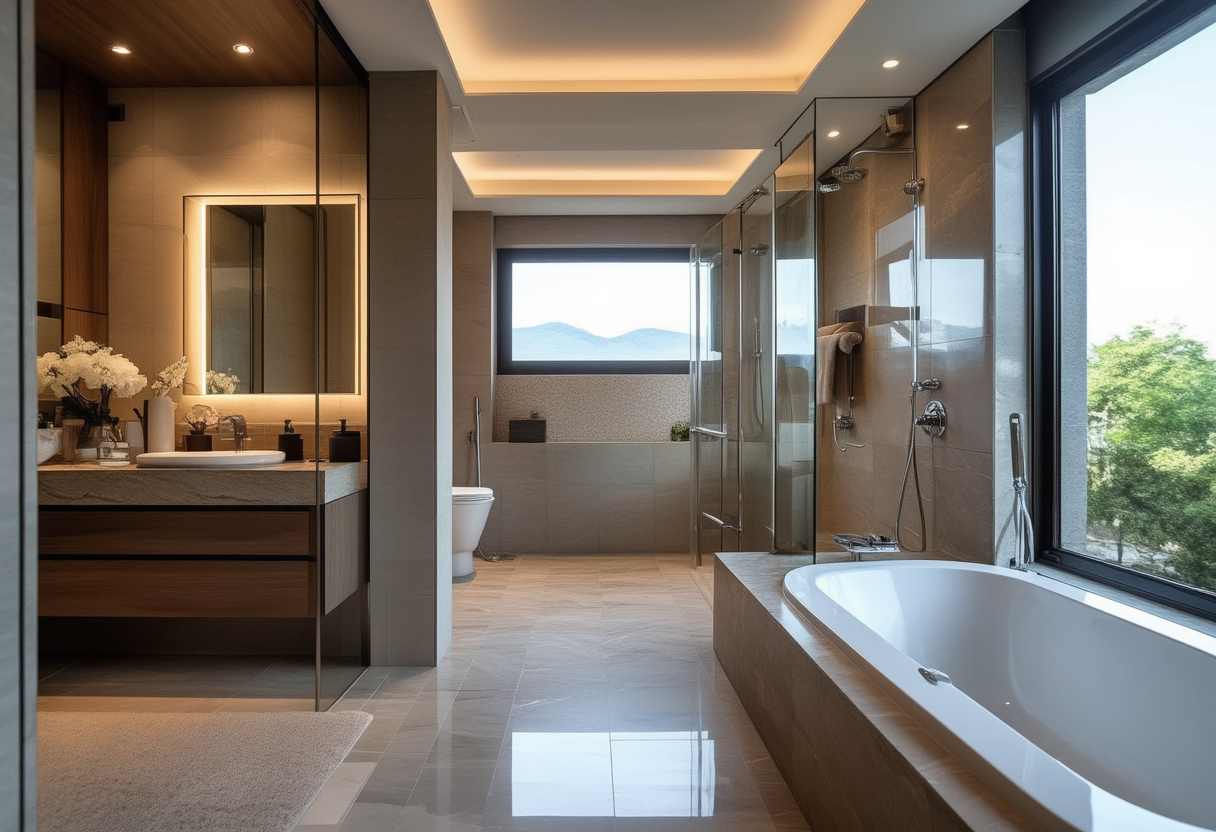
Bathrooms pack plumbing, electrical, waterproofing, and tile work into a compact space, making them deceptively expensive per square foot. In 2026, skilled labor shortages continue to drive premium rates, and new tariffs on imported cabinetry have pushed prices up 20–28% for certain categories. Home improvement spending is projected to reach $526 billion by early 2026. This article provides a data-driven roadmap to understand true bathroom remodel costs and maximize value.
1. Bathroom Remodel Cost by Tier
Costs vary dramatically based on scope and finish level. The table below summarizes three primary tiers:
Cost by Bathroom Type and Size:
Per-square-foot costs range from $80–$120 (budget) to $300–$500+ (premium). Small bathrooms often cost more per square foot due to fixed costs not scaling with size.
2. Cost Breakdown
In 2026, the typical bathroom budget allocation is approximately 50% labor, 40% materials, and 10% permits and contingency.
Material Cost Ranges by Component:
3. Key Factors Influencing Costs
Layout Changes: Moving plumbing fixtures adds 20–30% to total costs. Keeping existing locations is the single most effective cost-control measure.
Material Quality: Finish selections can double or triple project costs. Mid-grade materials offer the best value balance.
Geographic Location: National averages mask significant variation. A $12,000 remodel in the Midwest may cost $18,000–$75,000+ in coastal metros like New York or San Francisco.
Home Age: Older homes frequently reveal hidden water damage, outdated wiring, or substandard framing during demolition. Approximately one-third of homeowners report final costs exceeding initial estimates.
Labor Availability: Skilled trades remain in high demand. Licensed professionals cost more upfront but prevent expensive call-backs—over 70% of bathroom repairs stem from poor workmanship.
4. How to Save Money
Keep Fixtures in Place: Avoiding plumbing relocation typically saves 20–30%.
Refresh Rather Than Replace: Reglazing a tub or tile surround costs $400–$1,000 and returns 85–100% ROI versus thousands for full replacement.
Choose Cost-Effective Materials: Vinyl plank flooring offers tile-like aesthetics at lower cost. Off-the-shelf vanities and standard fixtures reduce expenses. Large-format tiles reduce grout and installation labor.
Handle Demolition Carefully: DIY demolition saves labor costs, but plumbing and electrical work should remain with licensed professionals.
Time Strategically: Off-peak winter scheduling may yield reduced labor rates.
Build a Contingency Fund: Reserve 10–20% of budget for unexpected discoveries.
5. Return on Investment (ROI)
Bathroom remodels consistently rank among top interior investments, with mid-range projects recouping 60–70% of costs at resale.
Upgrade-by-Upgrade ROI:
Mid-range remodels deliver optimal balance between investment and value recovery. Zillow research indicates $1 spent on a bathroom remodel returns approximately $1.71 in home value.
Conclusion
Key takeaways for a 2026 bathroom remodel:
- Budget realistically: Expect $6,600–$18,000 for typical projects; mid-range averages $25,000; luxury reaches $40,000–$100,000+.
- Understand cost drivers: Labor dominates at 40–65%; material quality and location significantly influence totals.
- Control costs: Keep existing plumbing (+20–30% savings); refresh rather than replace; maintain 10–20% contingency.
- Prioritize ROI: Mid-range projects yield strongest returns (60–70%); minor updates return 80–100%.
- Hire professionals: Licensed contractors prevent expensive future repairs.